
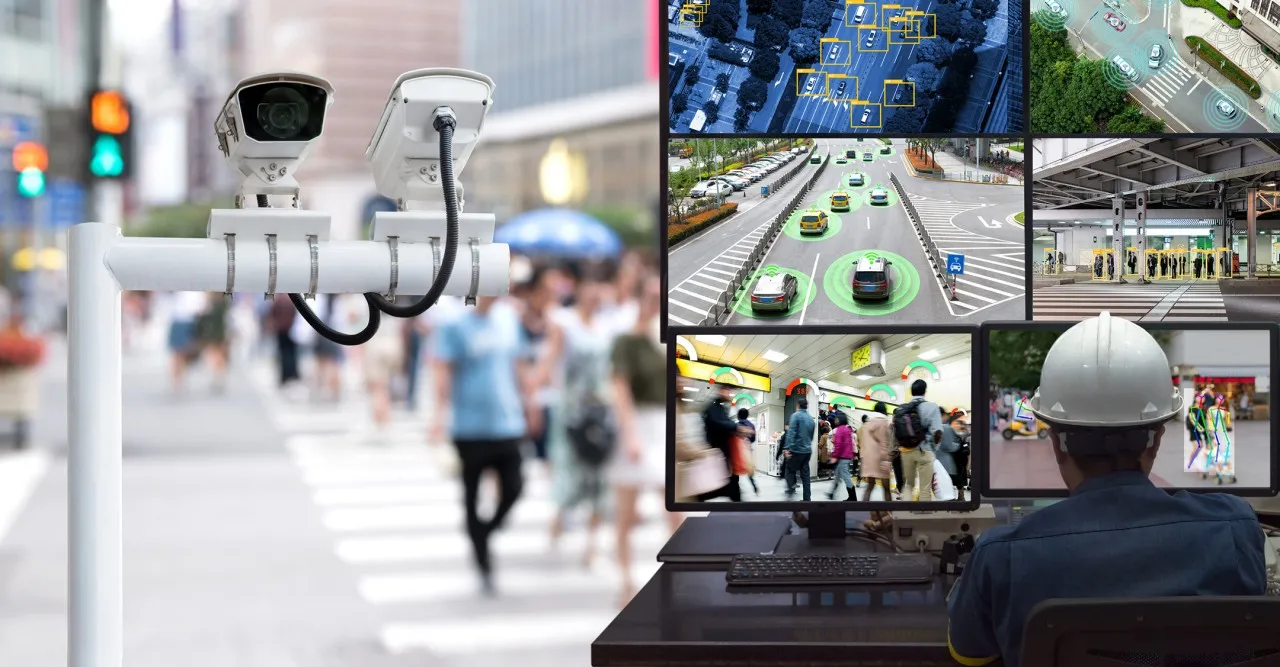
In the rapidly evolving world of security technology, Video Analytics has emerged as a transformative solution for monitoring and protecting assets. Video analytics enables intelligent surveillance by automatically analyzing video footage in real-time, reducing the need for constant human oversight. With advanced algorithms, Video Analytics can detect unusual behaviors, recognize faces, and track movements, making security systems more proactive rather than reactive. Businesses and organizations are increasingly relying on Video analytics to enhance safety, streamline operations, and gather actionable insights. The integration of smart AI with Video Analytics creates a dynamic security ecosystem capable of responding quickly to potential threats while improving efficiency.
Understanding Video Analytics
Video analytics refers to the technology that uses AI-powered software to interpret video footage and extract meaningful information. Traditional surveillance systems rely solely on cameras recording events, but video analytics transforms these systems into intelligent tools. By applying machine learning models, video analytics can identify patterns, recognize objects, and generate alerts based on predefined rules. This technology is essential for both public and private sectors, allowing for proactive management of security risks. Video analytics systems can differentiate between ordinary movements and potential threats, which significantly reduces false alarms and ensures a faster response to critical incidents.
Key Features of Smart AI Security Solutions
Smart AI security solutions powered by video analytics offer a range of features that enhance surveillance capabilities. These systems can automatically detect unauthorized access, monitor restricted areas, and identify suspicious behavior. Video analytics can also support facial recognition, license plate reading, and crowd density analysis. These functionalities allow organizations to respond promptly to security breaches and optimize operational efficiency. Additionally, AI-driven video analytics can integrate with other security technologies such as access control and alarm systems, creating a comprehensive approach to safety. By automating monitoring processes, these solutions free up human resources while improving accuracy and reliability.
Benefits of Video Analytics in Security
The benefits of implementing video analytics are multifaceted. First, it improves threat detection by analyzing video feeds in real-time, which reduces the risk of human error. Second, it enhances resource management by prioritizing alerts and allowing security personnel to focus on critical situations. Third, video analytics provides valuable insights for operational decision-making, including identifying patterns in behavior or recurring security incidents. Organizations can also use video analytics for compliance reporting and auditing purposes, ensuring adherence to safety standards. Overall, the adoption of AI-powered video analytics leads to more efficient, proactive, and cost-effective security management.
Applications Across Industries
Video analytics is not limited to security alone; it has applications across various industries. In retail, it can monitor customer behavior, optimize store layouts, and prevent theft. In transportation, video analytics improves traffic management, monitors public spaces, and enhances passenger safety. Healthcare facilities utilize video analytics to ensure patient safety, manage access to sensitive areas, and monitor staff compliance with protocols. Even in smart cities, video analytics plays a critical role in monitoring infrastructure, managing public safety, and responding to emergencies. The versatility of video analytics demonstrates its importance as a tool for both security and operational efficiency across sectors.
Future of Video Analytics
The future of video analytics lies in continuous AI advancements and integration with other smart technologies. Machine learning and deep learning models are improving accuracy in object recognition and behavior prediction. Edge computing allows video analytics to process data locally, reducing latency and enhancing real-time decision-making. Moreover, combining video analytics with IoT devices and cloud platforms creates a connected ecosystem capable of comprehensive monitoring and automated responses. As technology evolves, video analytics will become even more sophisticated, offering predictive insights and supporting fully autonomous security operations.
Challenges and Considerations
Despite its benefits, implementing video analytics comes with challenges. Data privacy and security concerns are paramount, especially when handling sensitive footage. Organizations must comply with regulations and establish clear policies for data storage and access. The effectiveness of video analytics also depends on the quality of video inputs and proper system calibration. False positives and negatives can occur if the AI models are not properly trained or maintained. Addressing these challenges requires ongoing monitoring, regular updates, and a combination of human oversight with AI-driven insights.
FAQs about Video Analytics
What is video analytics?Video analytics is a technology that uses AI and machine learning to analyze video footage, detect patterns, and generate actionable alerts for security and operational purposes.
How does video analytics improve security?Video analytics enhances security by automatically monitoring video feeds, detecting unusual behavior, and reducing false alarms, which allows for faster and more accurate responses.
Can video analytics be used outside of security?Yes, video analytics has applications in retail, healthcare, transportation, and smart city management, offering insights that improve operational efficiency and safety.
Is video analytics expensive to implement?The cost varies depending on the complexity of the system, scale of deployment, and integration with existing infrastructure. However, the long-term benefits often outweigh the initial investment.
Does video analytics violate privacy?When implemented responsibly, video analytics complies with privacy laws and regulations. Organizations must manage data securely and ensure proper use of surveillance footage.
In conclusion, video analytics by video analytics represents a significant leap in smart AI security solutions. By transforming conventional surveillance into intelligent monitoring systems, organizations can enhance safety, efficiency, and operational insights across various industries. The ongoing advancements in AI and technology promise a future where video analytics will play a central role in proactive security and smart decision-making.