
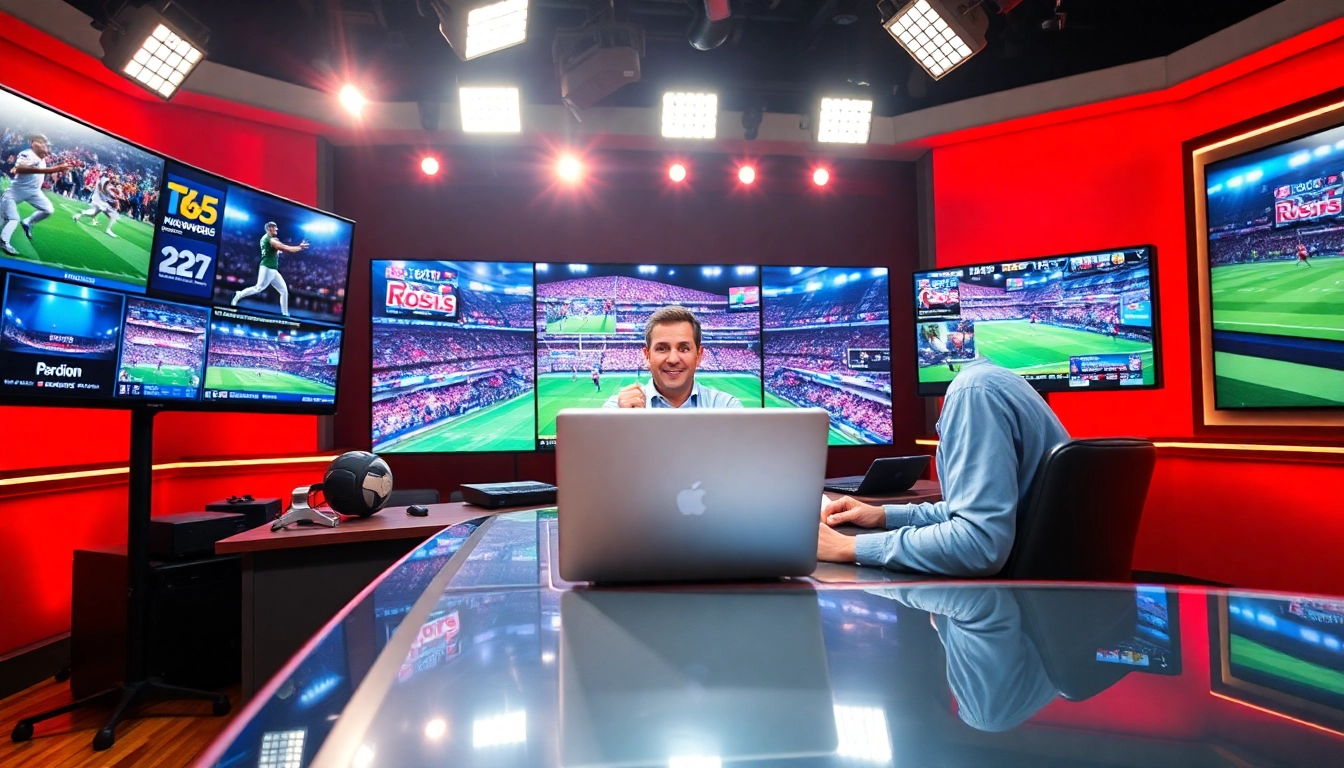
Understanding the Sports Broadcasting Landscape
In today's multimedia world, Sports Broadcasting serves as a vital bridge between audiences and the live events they cherish. As various platforms emerge and technology advances, the dynamics of this industry are constantly evolving. Understanding the nuances can provide insights into how audiences consume sports while opening avenues for innovative strategies in content delivery.
History of Sports Broadcasting
The journey of sports broadcasting began over a century ago, when the radio waves first transmitted the results of athletic events, bringing the excitement of the game to those unable to attend. Initially, it was a simple broadcast: scores were announced, and results were discussed, but the thirst for more engaging coverage grew rapidly. The early days of television in the 1930s marked a pivotal moment, allowing fans to visually connect with their favorite athletes and teams.
With the introduction of cable and satellite television in the 1980s, the sports broadcasting industry saw exponential growth. Networks began to specialize in sports, providing comprehensive coverage and analysis that once seemed unattainable. The 21st century ushered in the digital era, culminating in the explosion of online streaming platforms that further transformed viewership, making sports accessible anytime and anywhere.
Key Players in Sports Broadcasting
The sports broadcasting ecosystem comprises a variety of players, including networks, streaming platforms, sports leagues, and production companies. Major broadcasting networks such as ESPN, NBC Sports, and Fox Sports lead the television domain, while platforms like Amazon Prime Video and YouTube are reshaping how audiences consume sports through streaming options.
Sports leagues themselves also play a crucial role, negotiating broadcasting rights that can drive revenue and influence branding. Collaborations between tech companies and traditional broadcasters are also emerging, allowing for innovative coverage solutions and interactivity features that enhance viewer experience.
Current Trends in Sports Broadcasting
As technology evolves rapidly, current trends in sports broadcasting reveal a shift towards more personalized and interactive experiences. Viewers today expect more than just live coverage; they warrant behind-the-scenes access, digital interactions, and tailored content. The integration of augmented reality (AR) and virtual reality (VR) is paving the way for immersive experiences that can revolutionize how fans experience games.
Moreover, the rise of mobile applications for sports streaming has contributed to a significant change in viewer behavior. Fans prefer to watch events on-the-go, leading to the development of apps that deliver content with minimal latency. This push towards mobile capabilities is accompanied by a greater focus on analytics, empowering broadcasters to analyze viewership patterns and optimize content accordingly.
Essential Technologies in Sports Broadcasting
Audio and Visual Equipment
The backbone of effective sports broadcasting lies in its audio and visual equipment. High-definition cameras, advanced microphones, and broadcasting software are essential tools for capturing the essence of a live event. Multi-camera setups provide different angles, offering viewers a comprehensive understanding of the action as it unfolds.
Additionally, sound engineering plays a crucial role in enhancing the audience's experience. Sophisticated audio mixing ensures that commentary and ambient sounds blend seamlessly, creating an engaging atmosphere for viewers.
Streaming Platforms and Their Impact
Streaming platforms have become pivotal players in sports broadcasting, as they redefine content delivery and accessibility. Platforms like Netflix and Hulu are experimenting with offering sports, while dedicated streaming services provide live coverage of events worldwide. This shift has led to a surge in subscriptions and a growing demand for flexible viewing options, making sports accessible across various devices.
Moreover, streaming platforms are often equipped with user-friendly features such as pause, rewind, or real-time highlight reels, ascending the value of content beyond initial broadcast times. This flexibility has reshaped consumer expectations, pushing traditional broadcasters to enhance their offerings.
Data Analytics in Sports Broadcasting
In an era where data drives decisions, sports broadcasting is leveraging analytics to cater to audience needs effectively. Data analytics provides insights into viewership trends, enabling broadcasters to fine-tune their programming strategies. By analyzing demographic data, engagement levels, and audience feedback, teams can create customized content that resonates with specific viewer segments.
Beyond programming, analytics plays a crucial role in ad-targeting efforts. Advertisers can analyze consumer behavior to deliver tailored commercials to specific viewer profiles, maximizing ad effectiveness and ensuring advertisers get the best return on investment.
Building a Successful Sports Broadcasting Brand
Establishing Unique Value Propositions
To carve out a niche in the crowded sports broadcasting landscape, establishing a unique value proposition (UVP) is imperative. A strong UVP should highlight what sets a broadcaster apart—be it exclusive rights, specialized insights, or multimedia storytelling capabilities. This differentiation fosters loyalty and attracts both viewers and advertisers.
Successful brands create a compelling narrative around their offerings, showcasing unique features that enhance the viewer's experience. For instance, a broadcaster offering extensive analytics and commentary might attract a more tech-savvy audience, while those focusing on community engagement could cultivate a loyal local fan base.
Leveraging Social Media for Engagement
With millions of users engaging in real-time conversations on social media, leveraging these platforms can significantly enhance audience engagement in sports broadcasting. Creating shareable content, facilitating discussions, and running interactive polls can foster a sense of community among fans.
Moreover, live-tweeting during games or sharing highlights on platforms like Instagram can boost viewership and keep audiences connected. Social media enables broadcasters to tap into real-time feedback, allowing them to adapt and respond to viewer preferences rapidly.
Creating Compelling Storylines
Beyond statistics and highlights, sports broadcasting thrives on storytelling. Crafting compelling narratives around athletes, teams, and rivalries can captivate viewers, drawing them into the sport on an emotional level. Storytelling brings depth to the viewing experience, helping audiences connect with the journey of their favorite players or teams.
Highlighting personal stories, struggles, and triumphs adds a human element, allowing viewers to resonate with the narrative. A well-rounded broadcast knows when to encompass both the statistical analysis and the emotional drive of a storyline.
Challenges in Sports Broadcasting Today
Navigating Rights and Regulations
Sports broadcasting faces the ongoing challenge of navigating complex rights and regulations. Securing broadcasting rights often comes with significant costs and negotiations, as leagues seek to maximize revenue from their media rights. Furthermore, regulatory issues can impact how certain content is shared and consumed, including restrictions on international broadcasting.
Broadcasters must remain vigilant, ensuring that they comply with laws and regulations while also negotiating terms that meet their financial objectives. Keeping abreast of changes in legislation around digital copyrighting and fair use is crucial for maintaining a successful broadcasting operation.
Competition from Emerging Media
The rise of emerging media presents a formidable challenge to traditional sports broadcasting. Consumers, particularly younger demographics, are increasingly turning to social media, podcasts, and livestreaming platforms for their sports content. The demand for bite-sized, on-demand viewing experiences is reshaping how sports are reported and delivered.
To stay relevant, broadcasters must innovate and adapt, seeking ways to integrate new forms of media while ensuring their core broadcasts remain compelling and engaging. Collaborations with tech companies to create unique content experiences can play a crucial role in combatting competition from emerging players.
Maintaining Viewer Engagement
As viewer habits evolve, maintaining engagement is a significant challenge for sports broadcasters. Audiences have access to unlimited content options and may lose interest if offerings do not meet their expectations. Broadcasters must continually adapt their content strategy, utilizing analytics to understand viewer preferences and behaviors fully.
Creating interactive content, behind-the-scenes access, and responding swiftly to viewer feedback can enhance engagement. Ultimately, an engaged audience is more likely to return, leading to improved viewership and revenue growth.
Measuring Success in Sports Broadcasting
Key Performance Indicators (KPIs)
To evaluate the effectiveness of their operations, sports broadcasters must establish and track Key Performance Indicators (KPIs). These metrics can include viewership numbers, audience retention rates, and engagement levels across platforms. Understanding these indicators will help in assessing programming effectiveness and guide future content strategies.
In addition to quantitative data, qualitative metrics such as audience feedback and social media sentiment analysis can provide insight into viewer satisfaction and help shape tailored offerings that resonate more with the target audience.
Audience Feedback and Adaptation
Audience feedback is vital for refining content strategies in sports broadcasting. Surveys, social media interactions, and ratings provide broadcasters with critical insights into viewers' preferences. Listening to audience feedback enables broadcasters to adjust their programming and enhance the overall experience.
Adopting a proactive approach to feedback collection—such as regular audience polls and focus groups—ensures that broadcast strategies remain relevant and engaging. This cycle of feedback and adaptation is key to staying connected with an ever-evolving audience base.
Case Studies of Successful Broadcasts
Successful sports broadcasts often serve as invaluable case studies for the industry. Analyzing successful events reveals best practices in audience engagement, technology usage, and storytelling techniques. For instance, major championships that incorporate interactive elements, such as fan polls or real-time statistics, often notice higher viewer retention and increased buzz on social media platforms.
Moreover, examining how various broadcasts responded to unexpected situations—like delays or weather-related issues—can provide crucial lessons. Learning from past case studies can help broadcasters foresee potential challenges in future events and develop strategies to maintain viewer engagement despite setbacks.
Frequently Asked Questions
What is sports broadcasting?
Sports broadcasting refers to the transmission of live sports events to audiences via television, radio, or online platforms, often including commentary and analysis.
How has technology impacted sports broadcasting?
Technology has significantly enhanced audio-visual quality, allowed for real-time data analytics, and transformed viewer experiences through streaming and interactivity.
What role do social media platforms play in sports broadcasting?
Social media platforms facilitate real-time engagement with fans, promote content sharing, and serve as additional channels for delivering highlights and updates.
Why is data analytics important in sports broadcasting?
Data analytics helps broadcasters understand audience preferences, optimize content, improve advertising effectiveness, and tailor strategies for better engagement.
What challenges do sports broadcasters face today?
Broadcasters face challenges such as navigating complex rights and regulations, competition from emerging media, and the need for consistent viewer engagement amidst changing preferences.