

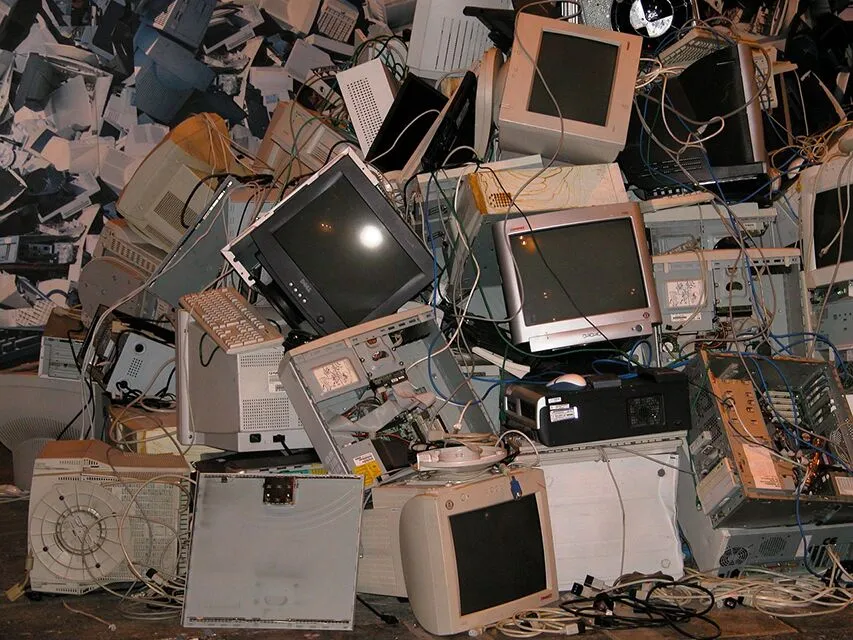
Understanding Computer Disposal Options
What is Computer Disposal?
Computer disposal is the process of getting rid of obsolete or non-functional computers in an environmentally responsible manner. It involves breaking down hardware into reusable components and safely disposing of harmful materials. Many individuals and businesses seek the services of a computer disposal company near me to ensure their electronic waste is handled according to regulations and best practices.
Types of Computer Disposal Services Available
There are various computer disposal services available today, catering to different needs and preferences:
- Drop-off Centers: These locations allow individuals to bring their old computers for recycling at their convenience.
- Pick-up Services: For those unable to transport their devices, many companies offer scheduled pick-ups from homes or offices.
- Manufacturer Take-back Programs: Many electronics manufacturers provide disposal programs for their products, offering easy recycling options.
- Donation Programs: Organizations may accept functional computers for refurbishing and redistribution to those in need.
Importance of Choosing Local Services
Selecting a local computer disposal service has numerous benefits. Firstly, it supports the local economy. Secondly, it reduces transportation emissions, contributing to a smaller carbon footprint. Additionally, local companies often have better familiarity with regional waste management regulations, ensuring compliance and proper disposal practices.
The Environmental Impact of E-Waste
Statistics on Global E-Waste Generation
The global generation of e-waste continues to rise alarmingly. According to estimates, approximately 50 million tons of e-waste are discarded annually, and this figure is projected to grow. Many of these items contain hazardous materials that can pollute the environment if not disposed of properly.
Hazards of Improper Disposal
Improper disposal of e-waste can lead to serious environmental and health issues. Components such as lead, mercury, and cadmium can leach into soil and water supplies, posing significant health risks to humans and wildlife. Moreover, burning e-waste releases toxic pollutants into the atmosphere, contributing to air quality issues.
Benefits of Proper E-Waste Recycling
Proper recycling of e-waste offers several environmental benefits. It conserves natural resources by recovering valuable materials such as gold, copper, and plastics. Additionally, it reduces greenhouse gas emissions and minimizes the burden on landfills. Communities that promote e-waste recycling can enjoy cleaner public spaces and safer local environments.
How to Choose the Right Computer Disposal Company Near Me
Key Factors to Consider
When selecting a computer disposal company, consider the following factors:
- Certification: Ensure the company is certified for safe and environmentally friendly recycling.
- Services Offered: Look for comprehensive services, including data destruction, pick-up availability, and donation options.
- Experience and Reputation: Research the company’s history, customer reviews, and their standing in the community.
- Data Security Practices: Make sure they are committed to protecting sensitive information during disposal.
Questions to Ask Before Hiring
It’s crucial to gather information before hiring a disposal service. Consider asking questions like:
- What certifications do you hold for electronic waste recycling?
- How do you ensure data security during the disposal process?
- What happens to the computers after disposal?
- Can you provide references from previous clients?
Comparing Local Disposal Services
Take the time to compare different local disposal services. Look at their pricing structures, services provided, and commitment to sustainability. Checking reviews and personal recommendations can also help in making a well-informed decision that meets your disposal needs safely and effectively.
Preparing Your Computers for Disposal
Data Security Measures
Data security is paramount when disposing of a computer. Before disposal, ensure all personal data is completely wiped. Consider using reliable software designed for data destruction, or consult professionals for data wiping services. Physical destruction of hard drives is another recommended method if retaining any sensitive data is a concern.
Physical Preparation of Devices
After securing your data, prepare your computer for disposal by removing any peripheral devices, cleaning the computer, and sorting its components. This allows for better recycling as some parts may be recycled separately for maximum efficiency.
Documentation for Disposal
Documentation is often overlooked but necessary. Retain records of disposal services, including certificates of data destruction and reports detailing how materials were recycled. This documentation can be helpful in case of audits or for your organization’s environmental responsibility reporting.
Frequently Asked Questions
What items are accepted for disposal?
Most disposal companies accept a range of items, including computers, printers, monitors, and accessories. Always check specific guidelines with your chosen service.
How do I know my data is secure?
Always choose certified disposal companies that follow strict data destruction protocols. Request documentation for this process to ensure your data is handled securely.
Are there costs associated with disposal?
Some computer disposal services charge fees, while others may offer free drop-off. Confirm any potential costs before proceeding to avoid surprises.
How often can I drop off computers for recycling?
This varies by service; many facilities accept drop-offs anytime during their operating hours. Confirm specific hours and days with your local disposal service.
What happens to the computers after disposal?
Upon disposal, computers are typically dismantled, with parts sorted for recycling or refurbishment. Hazardous materials are handled following environmental standards.